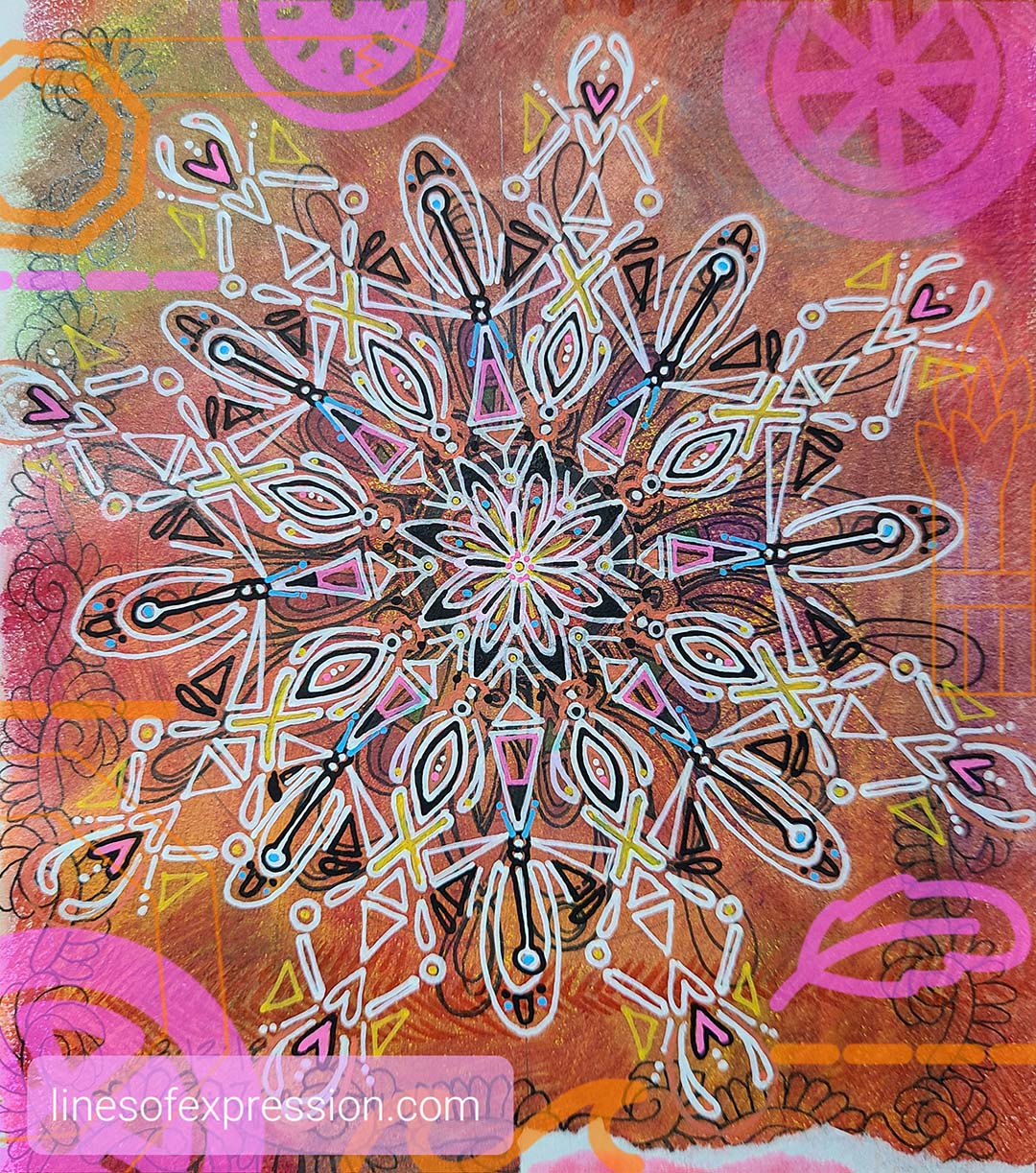
Visual Journaling is a good way to reflect on your thoughts, emotions, and experiences.
Visual journaling combines writing and art in a book. You can use words, drawing, painting, collage, or almost anything else that fits on the page. It gives you a creative way to explore your thoughts and feelings while building your art skills. Unlike a regular journal, you are not limited to words.
Use Visual Journaling to Help with:
- A Place to Express Yourself: Sometimes words are not enough. A drawing, a splash of paint, or even a few pieces of collage can say something that is hard to put into words.
- A Way to Slow Down: Spending time in your visual journal can help you relax and let go of some of the stress from your day. It can also be a private place to work through thoughts and feelings that you may not want to share with anyone else.
- A Place to Experiment: A visual journal is a great place to try things. Mix supplies, use colors you don’t normally use, make mistakes, and see what happens. You may discover a new technique, idea, or way of making art.
- A Reason to Be Present: When you are focused on drawing, painting, or making something, you are paying attention to what is happening right now. For a little while, you can stop thinking about everything else and simply enjoy the process.
Record Your Feelings in Private
Another benefit of visual journaling is that you can document a struggle and still share it with everyone because the meaning can remain private. Even if someone sees the page, they may not know what it means. Your thoughts can be hidden in images, drawings, and collages. Unless you explain the page, no one may be able to guess the story behind it.
I like to write a journal entry with a light-colored pen and then draw on top of it. If I add enough drawings, even I will soon forget what I wrote. Sometimes it helps just to get the thoughts out.
At the same time, keeping a written record can make it easy to hold on to bad experiences. I would rather learn the lesson and move on. There are too many good things to remember.
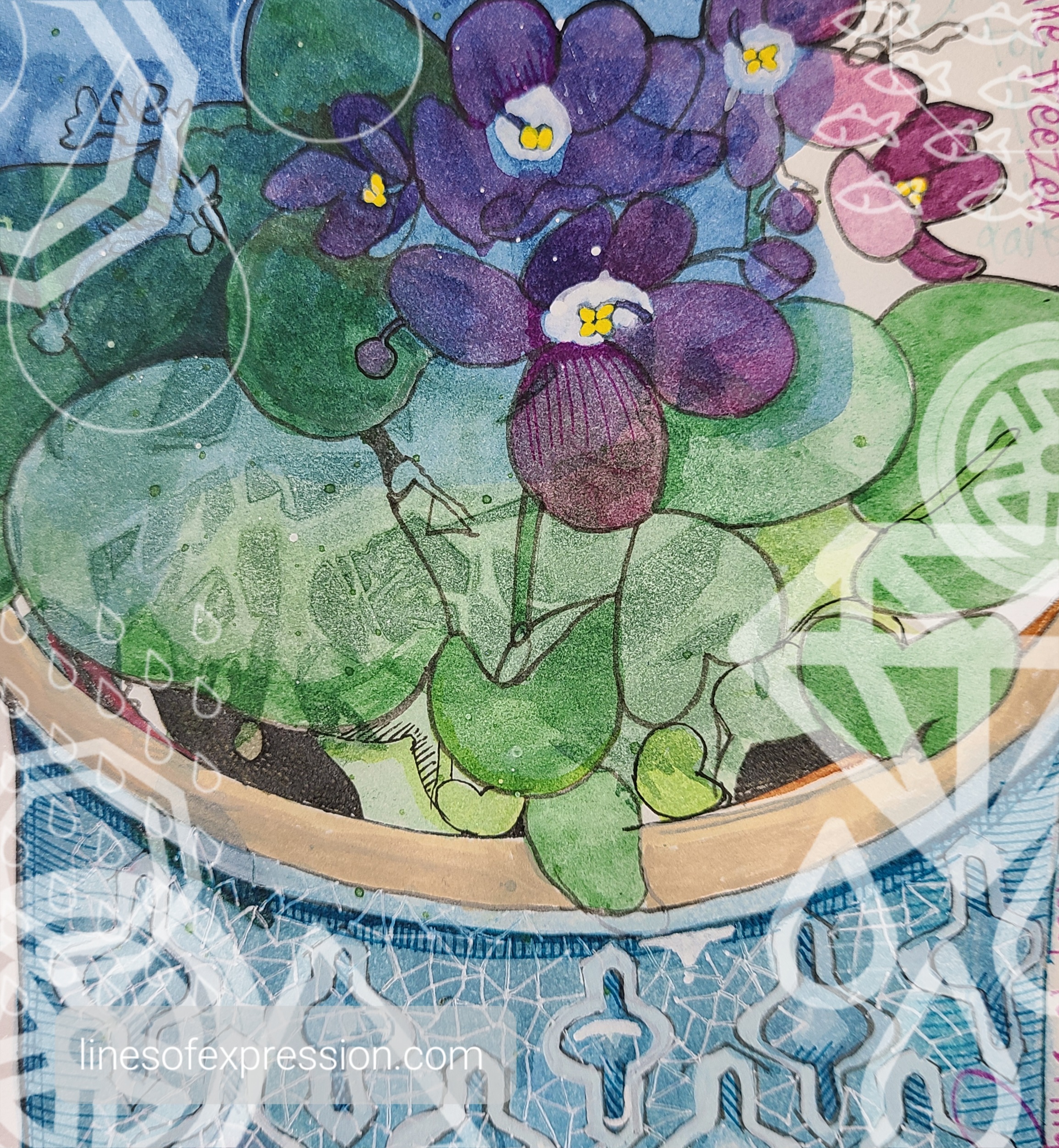
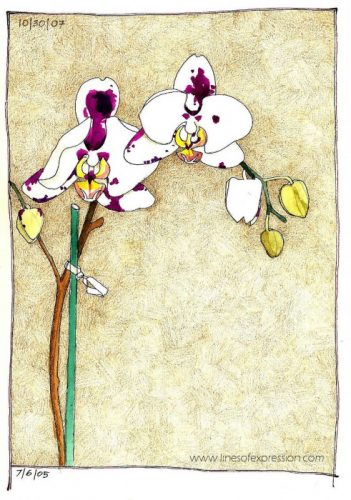
The drawing below of African violets is an example of a private journal entry hidden in my sketchbook. I wrote the words in light blue ink. Then I added this ink and watercolor drawing on top. Now the words are impossible to read.
Advantages to Setting a Space Limit
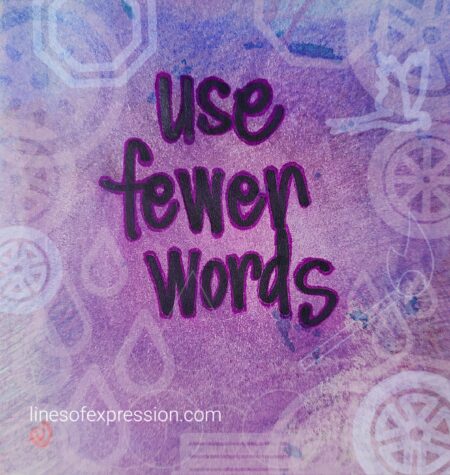
Restrict yourself to 2 sentences a day. Then the patterns will be easier to see. Try limiting yourself with one paragraph a day or less. The less words you use, the better. Practice brevity. Add text in a bigger bolder pen. Or maybe include a famous quote or better yet scripture that applies to your situation and no more. Use your journal to express yourself in any style with paint or ink or colored pencil (insert any medium here) and/or use collage and stick in significant ephemera to the page.
Have you ever found that using less words benefitted you? Please share how in the comments.

Leave a Reply